

Blog
Why Your Dance Costumes Should Tell a Story on Stage

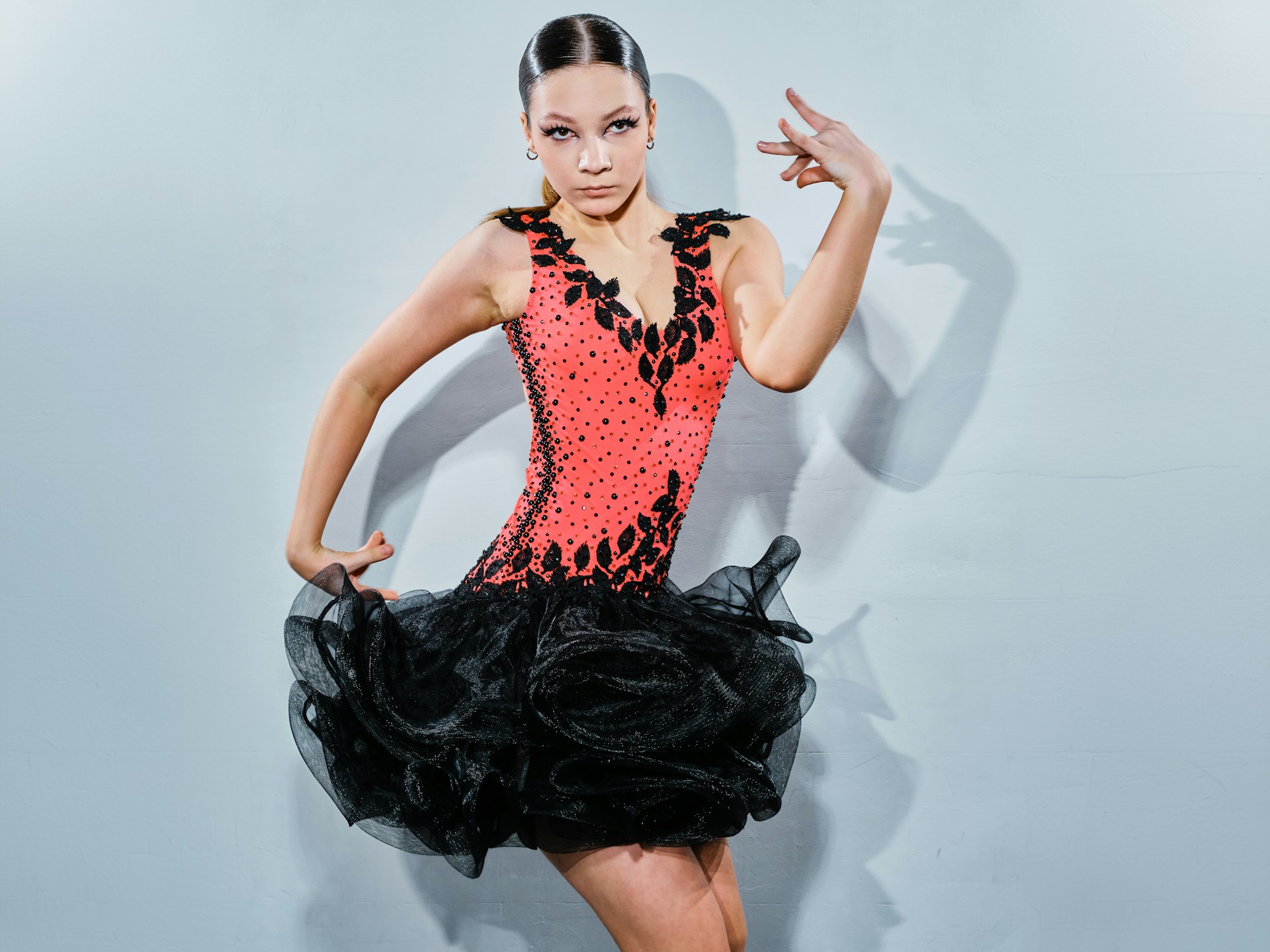
Let Your Costumes Speak Before the Music Starts
The curtain lifts, the lights hit, and before a single step or note, the audience already feels the mood. Maybe it is calm and dreamy, maybe sharp and electric. That first impression often comes from the dance costumes and staging long before the choreography builds.
As competition and showcase season kicks off after the holidays, this early moment can make a big difference. Judges and audiences make quick decisions. They notice if a group looks unified, if the theme is clear, and if the dancers look comfortable and confident. Costumes do not replace strong choreography, but they help the story land faster and more clearly.
At Next Stage Dance Wear, we see costumes as more than outfits. They are tools for storytelling, mood-setting, and character-building, from lyrical to tap. Here, we will talk about how to choose and style dance costumes that support your story, bring your routines together, and help every dancer feel polished and performance-ready on stage.
Why Stories Matter More Than Sparkle Alone
People remember how a routine makes them feel. A clean triple turn is impressive, but a clear story can stay with someone long after the music stops. When the costume matches the theme, the music, and the movement, the whole piece feels stronger.
Sparkle on its own is not the goal. It only works when it supports what you are trying to say. A few questions can help:
• Do the colours match the tone of the music?
• Does the style reflect the character or idea?
• Does any extra shine highlight the right moments, or does it pull focus away from the dancers’ faces?
Flashy sequins and bold colours can be great when they have purpose. For example, a bright jazz costume can show energy and fun, while a more muted lyrical style can suggest softness and reflection. If the design fights the story, the audience can feel confused, even if they do not know why.
Story-driven costumes also change the way dancers feel on stage. When dancers understand who or what they are supposed to be, they often perform with more focus and emotion. This is true for all ages and abilities. Younger dancers, especially, respond well when you can say, “You are stars in the sky” or “You are toys coming to life,” and their costume helps them believe it.
For inclusive groups or mixed abilities, storytelling through costume builds a shared sense of purpose. Instead of some dancers feeling like “extras,” everyone becomes an important part of the same world. That confidence shows in their faces, posture, and stage presence.
Turning Choreography Into Visual Storytelling
A strong dance costume turns a choreographer’s idea into something the audience can see clearly. When you plan a routine, you probably think about concept first: era, setting, and character. Costumes should support those choices.
For example, you might use:
• Soft, flowing dresses for a nostalgic lyrical piece
• Clean, sharp lines and bold colours for punchy jazz or tap
• Layered, textured looks for grounded contemporary work
Key design choices to think about:
• Silhouette: Soft shapes work well for smooth, sweeping movement. More structured lines can highlight sharp accents or staccato choreography.
• Length: Flowing skirts can extend leg lines and turns. Cropped cuts can highlight strong footwork or quick changes in level.
• Texture: Lace can suggest romance or memory, mesh can add lightness, and velvet can hint at luxury or drama.
Colour also tells its own story. Warm tones like reds, oranges, and golds often suggest passion, joy, or power. Cool blues and greens can feel calm, wistful, or even mysterious. High-contrast palettes, like black and white, can show conflict or tension between characters or sections in the music.
On stage, colour has a practical job too. Under bright lighting, subtle shades can wash out, and formations can blur together. Strong, planned colour choices help:
• Formations read clearly from the back row
• Solos and featured moments stand out
• Group sections feel united instead of messy
When costume, colour, and movement all tell the same story, everyone in the theatre, even right at the back, can understand what you are trying to say.
Building Characters with Age-Appropriate Designs
Designing character-driven looks brings its own challenges, especially for younger dancers or mixed-age groups. Teachers want drama and impact, but also comfort, safety, and modesty. The winter show season can be busy and tiring for dancers, so costumes need to support them, not distract them.
The aim is a balance. We can build character with clever choices like:
• Layered skirts and overlays that add movement without being too short
• Higher necklines with sheer panels for interest and coverage
• Secure straps and backs that stay put during turns, leaps, and floor work
Inclusive, age-appropriate costumes help every dancer feel like they belong. That means thinking about body confidence, sensory needs, and mobility. Adjustable straps, a good range of sizes, and designs that flatter different body types can all make a big difference to how a group looks and feels on stage.
Small details can bring characters to life without creating chaos backstage. For example:
• Detachable skirts that clip on for one section and off for another
• Simple, soft headpieces that stay in place
• Themed sleeves or gloves that add character without getting in the way
When dancers feel secure in what they wear, they spend less time worrying about costumes and more time living inside the story.
From Studio to Stage: Cohesive Looks for Every Style
Studios often have many routines across lyrical, jazz, ballet, tap, and contemporary, especially during show season. A cohesive visual style across these pieces can make your school feel more recognizable at competitions and showcases.
You do not need every costume to match, but you can link them with:
• Recurring colours or colour families
• Similar fabrics, like mesh or velvet sprinkles across different styles
• Small design motifs, like a repeated sleeve shape or neckline
Within each group, consistency matters. Matching or complementary designs help the audience see the group as one unit, while small variations can highlight featured dancers. For example, you might give a lead dancer a slightly different skirt or extra detailing at the neckline while keeping the base look the same.
Practical planning is just as important, especially from winter into spring when performance schedules often get busy. Costumes need to:
• Handle long rehearsals and multiple shows
• Survive quick changes in crowded wings
• Hold their shape and colour under bright lights and repeat wear
When you pick performance-ready pieces that feel good in the studio and look strong under stage lights, you reduce stress for everyone. Dancers know how the costume moves, teachers can focus on corrections, and parents feel confident their children will be secure and comfortable.
Choosing Costumes That Carry Your Story Forward
A simple way to start is to audit your upcoming routines. For each piece, write the story or mood in one clear sentence. Then ask: does the current or planned costume show that idea at first glance?
Use a short checklist when choosing new dance costumes:
• Does it support the style and theme of the choreography?
• Is it age-appropriate for every dancer in the group?
• Is it inclusive in size, fit, and comfort?
• Will the colours and details read clearly under stage lights?
• Most importantly, will dancers feel confident and ready to perform in it?
At Next Stage Dance Wear, we focus on modern, performance-ready costumes that help tell stories in every style, from lyrical and ballet to jazz, tap, and contemporary. When costumes are chosen with care, they do more than sparkle. They speak for you, the second the curtain rises, and they help every routine say something that stays with the audience long after the final bow.
Step Into Spotlight-Ready Style With Custom Dance Costumes
Whether you are preparing for a showcase, competition or exam session, we are here to help you find dance costumes that look polished and perform beautifully. At Next Stage Dance Wear, we carefully select fabrics and designs that support movement while keeping your dancers confident on stage. If you would like tailored advice, sizing guidance or help coordinating a group order, simply contact us and we will talk you through the best options for your next performance.