

Blog
When Ballet Wear Meets Jazz Dancewear on Stage

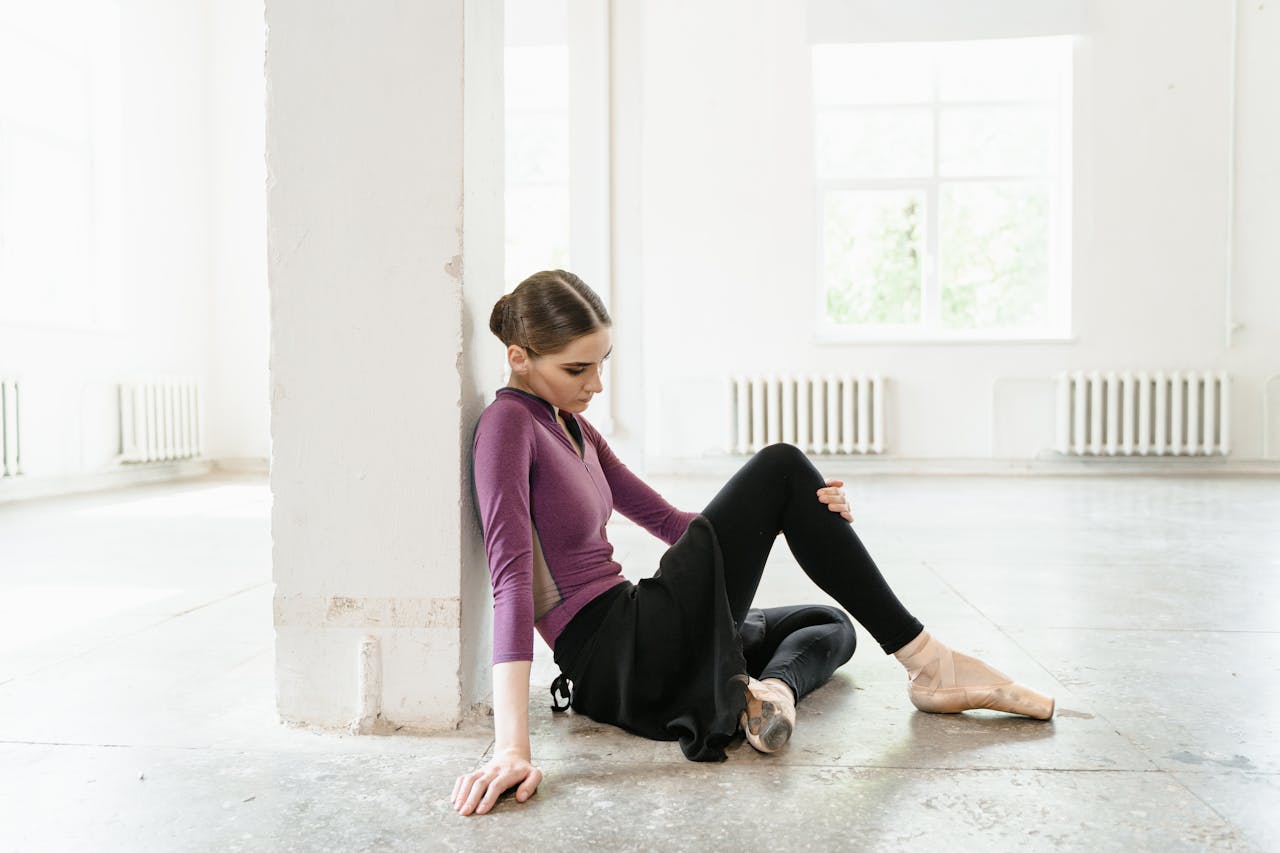
Ballet Grace Meets Jazz Energy on Stage
Ballet wear and jazz dancewear can look very different, but when they come together on stage, the effect can be electric. Clean ballet lines mixed with sharp jazz accents create a kind of movement that grabs the eye and holds it. As spring showcases and competition season roll around, more studios want that fresh, blended look.
We see it in recital pieces, competitions and end-of-term galas. One moment a dancer is floating through a soft développé, the next, they hit a strong jazz pose on the music break. To make that work, the costume has to keep up.
The right mix of ballet wear and jazz dancewear does more than just look pretty. It supports the choreography, keeps dancers comfortable and gives them the confidence to own the stage lights.
Why Hybrid Costumes Are Stealing the Spotlight
Across many studios, crossover choreography is now the norm. Teachers are blending styles to match modern music and stories. That might mean:
- Lyrical-jazz numbers with long reaches and quick kicks
- Contemporary-ballet pieces that need clear lines and floor work
- Musical theatre dances that flip from soft waltz to punchy jazz steps
All these styles ask the same thing from a costume: be soft and long for the ballet parts, then sharp and bold for the jazz sections.
Hybrid costumes help in very practical ways too, especially in busy spring shows. When one costume can work for more than one style, there is less stress backstage and less chance of missed changes. It can also bring:
- Fewer full costume changes between numbers
- A cleaner, more unified look for mixed-ability groups
- Simpler planning for teachers and parents
Most of all, performance gains are clear. When dancers are not tugging at a skirt or worried about a strap, they can focus on musicality and expression. A good hybrid costume lets them glide through adagios, drop into turns and launch into fast jazz runs without a second thought. The outfit supports the work instead of stealing attention from it.
Design Details That Blend Ballet and Jazz Seamlessly
So what does a ballet-and-jazz-friendly costume actually look like? It often starts with the silhouette. Some shapes naturally suit both styles:
- Sleek leotards with subtle cut-outs that feel modern but still clean
- Ballet skirts with asymmetrical hemlines that show off legs for jazz
- Unitards that flatter turnout and also frame strong jazz lines
These pieces let teachers choreograph in any direction, knowing the costume will show every shape clearly.
Fabric is another big part of the mix. Long show days, warm theaters and full competition weekends demand materials that move and breathe. Popular choices include:
- Stretch mesh for soft volume without bulk
- Microfibre that feels gentle on the skin and stays secure
- Performance lycra that supports the body and holds shape under lights
Then there are the stage-ready touches. This is where ballet grace and jazz sparkle can meet in one design. Think about:
- Strategic sparkle on bodices or waistbands, bright enough under lights but not heavy
- Colour blocking that adds jazz-style energy while keeping a long ballet line
- Necklines that look simple and elegant from the front, with a bolder back detail that appears during turns
From the audience, these pieces can read as classically beautiful at first, then show their jazz edge as the choreography builds.
Styling Jazz Dancewear for Ballet-Infused Routines
Sometimes the starting point is jazz dancewear, and the goal is to soften it for a more lyrical or ballet-influenced piece. This is where clever styling comes in. Simple choices can shift the mood quickly.
Colour does a lot of the work. Warm, spring-ready shades such as soft pastels or gentle earth tones can make a strong jazz shape feel more fluid and romantic. Swapping heavy, high-shine sequins for small, scattered embellishments also keeps the look gentle enough for classical phrases.
Layering is another great trick. A basic jazz unitard or biketard can be transformed with:
- Ballet-inspired wrap skirts that tie at the waist
- Sheer chiffon panels that catch the light as the dancer turns
- Detachable trains that can be removed mid-routine or between numbers
These layers let dancers shift from one style to another without needing a full change. They also look beautiful in group work when different dancers wear the same base piece with varied overlays.
Practical studio details matter too. Footwear can set the tone:
- Ballet shoes can support more classical sections and cleaner lines
- Jazz shoes or foot thongs help with grip and speed in sharper phrases
Tights or bare legs will change the feel as well. Many teachers like clean tights for younger dancers and bare legs or stirrup tights for older jazz-heavy pieces. Hair can strike a balance: a secure low bun or braided style respects ballet tradition, while a sleek ponytail or soft waves suits modern jazz flair, as long as it stays put through leaps and turns.
Confident Stage Looks for All Ages and Abilities
Hybrid costumes also have to work for real dancers in real bodies, from tiny tots at their first spring show to teens polishing advanced routines. Age-appropriate design is key. Younger dancers usually do best in simple, secure shapes with plenty of coverage. Soft skirts, wide straps and fabrics that stay in place let them focus on counting the music and enjoying the applause.
Older dancers may look for more fashion-forward jazz dancewear with interesting cuts or bolder colours. The balance is to keep those details aligned with studio dress codes and safeguarding needs. Thoughtful design supports body confidence at every age, with features such as:
- Flattering necklines that stay in place through big movements
- Reliable coverage over the bust and seat
- Adjustable straps that can be customised to each dancer
- Inclusive sizing so no one feels left out of the chosen style
Teachers can also use hybrid looks to tie whole productions together. A shared colour theme or repeated details, like the same mesh sleeve or matching waistband, helps younger and older groups feel part of the same story. Each level can have its own cut that fits their skill and comfort, but the audience still sees one connected spring show.
Step Into Your Next Stage-Ready Hybrid Look
When planning upcoming spring and summer performances, it helps to think about where a ballet, jazz-fusion costume might make life easier. Look at your pieces and ask: which routines shift between flowing lines and sharp hits? Where are dancers doing both pliés and jazz runs in the same number? Those are the places where a hybrid design can support the work and simplify changes.
Teachers, parents and dancers can work together from the start. Share music choices, themes and movement ideas, then shortlist costume options that feel right for both classical technique and jazz dynamism. At Next Stage Dance Wear, we focus on contemporary, ready-to-wear pieces that blend styles in a natural way, so you can build a wardrobe that mixes and matches across ballet wear and jazz dancewear, always ready for the next time the stage lights come up.
Step Into Confident Performance With The Right Jazz Look
Find performance-ready style with our curated range of jazz dancewear designed to support every leap, kick and turn. At Next Stage Dance Wear, we carefully select pieces that feel comfortable in class and look polished on stage. If you would like guidance choosing sizes or styles for your school or troupe, you can contact us and we will help you build the ideal wardrobe.