

Blog
Unlocking Modern Dance Costumes for Standout Group Routines

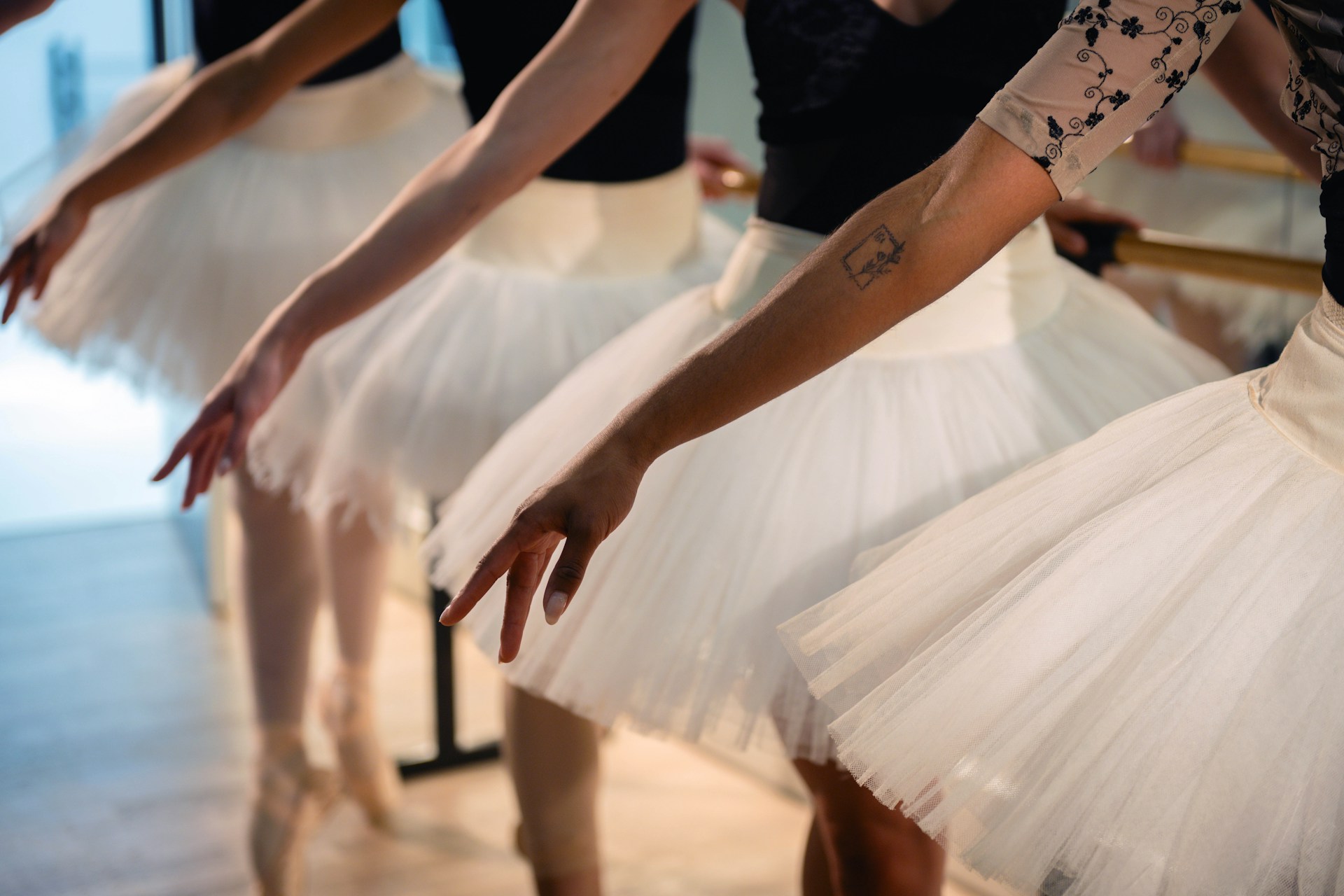
Dress Your Team to Impress with Modern Dance Costumes
What your dancers wear in a modern or contemporary group routine changes how everything feels. Judges and audiences read the piece before the first beat starts, just from the line, colour and mood of the costumes. When the look matches the choreography, your dancers step on stage already telling the story.
This matters even more as February competitions and festivals start filling the calendar. Winter training is done, pieces are set, and now the focus shifts to polish. Modern dance costumes are not just about sparkle; they are about line, unity and storytelling, especially for groups. When the whole team looks connected, the work feels more professional and the choreography lands more clearly.
At Next Stage Dance Wear, we focus on stage-ready, contemporary designs for children and adults. Our aim is simple: to help your group routines look cohesive, modern and expressive, without losing the individuality of each dancer.
Why Modern Group Costuming Matters More Than Ever
Current competition trends lean towards clean lines and smart costume choices. Heavy stones and big skirts still have their place, but for modern and contemporary work, judges often respond better to sleek, intelligent styling. A simple, well-cut costume can make your choreography look sharper than a heavily decorated one.
A good modern costume supports how the group moves together. It can:
• Make formations look clearer from the back of the auditorium
• Highlight musical accents with moving fabric or bold seams
• Help the audience read levels, lifts and floor work quickly
• Keep the focus on shapes instead of distractions
When a whole team shares a unified look, confidence often rises. Dancers feel like they belong to something bigger than themselves. That shared identity shows up in their spacing, their timing and their stage presence. This is especially helpful across the busy winter to spring season, when students might be swapping between several routines and venues.
Key Design Elements That Elevate Group Routines
Certain design choices are especially helpful for modern group pieces. They support the choreographer’s vision while still being practical for rehearsal and travel.
Silhouettes that flatter movement:
• High necklines for strong upper-body lines and clean turns
• Open or low backs so contractions, tilts and arabesques read clearly
• Asymmetric cuts that create dynamic shapes in canon or ripple work
• Unitards or biketards that keep lines long and uninterrupted
Smart colour use can turn a good piece into a standout one. Instead of many different shades fighting each other, think in palettes:
• Tonal sets, such as different depths of the same colour, for subtle variety
• Ombré effects that move across the line of dancers for wave-like sections
• Strategic colour blocking to mark leads, duets or trios without losing unity
• Dark bases with lighter accents where you want the eye to go
Fabric choice also makes a big difference. For modern work, we often see:
• Stretch mesh for sleeves, skirts or cut-outs that show shape but stay secure
• Matte lycra for a clean, non-shiny look that works well under bright stage lights
• Chiffon overlays for lyrical moments and soft travelling phrases
• Textured panels or ribbed fabrics that catch light in a subtle way
These fabrics are kind to floor work and partnering too, which is important when routines include slides, rolls and weight sharing.
Balancing Uniformity and Individuality on Stage
One of the big questions for group costuming is how to keep a strong team identity while still letting key dancers stand out. The answer is often small, planned changes rather than totally different outfits.
For example, you can keep one base costume and add:
• Different sleeve lengths for leads and ensemble
• Varied necklines: one-shoulder for solos, high neck for group
• Slight changes in skirt length or leg line for contrast
• Subtle colour shifts to show different parts of the story
Modern dance costumes can also help communicate your theme. Conflict and harmony can be shown with light versus dark tones, soft fabrics against stronger cuts, or clean lines breaking into fragmented shapes. In a medley, you might build an evolving look, adding or removing layers to show a change in mood.
When you are working with juniors, teens and adults in the same show, fit and comfort sit alongside style. Younger dancers often need a bit more coverage to feel safe, while teens might prefer more fashion-forward shapes. Keeping one overall colour palette and design language across age groups lets everyone feel part of the same artistic world, without forcing one cut onto every body.
Practical Planning Tips From February to Festival Season
Good planning means fewer last-minute panics as the festival schedule ramps up. Costumes need time for ordering, trying on, adjusting and rehearsing in.
A simple timeline might include:
• Choosing and ordering costumes early in the term
• Allowing time for delivery and first fittings
• Booking in alterations where needed
• Running full rehearsals in costume before the first show
Sizing becomes even more important when you have both children and adults in the same company. We suggest:
• Taking fresh measurements rather than guessing from street sizes
• Allowing for growth spurts in younger dancers with adjustable straps or flexible fabrics
• Keeping a small selection of spare sizes where possible
• Planning mix-and-match pieces that can move between groups if needed
To make costumes work across the whole season, think about ways to restyle rather than replace. You might:
• Use strong base leotards or unitards that can be layered for different routines
• Swap skirts, tops or mesh overdresses to shift the mood
• Choose neutral or jewel-tone palettes that suit many styles, from lyrical to jazz-inspired modern
This keeps your wardrobe flexible and helps routines feel fresh without starting from zero every time.
How to Choose Costumes That Match Your Choreography
A helpful way to pick modern dance costumes is to work backwards from the choreography itself. Start by asking a few simple questions:
• What is the music saying: soft and flowing, sharp and percussive, grounded and earthy?
• What is the story or feeling: hope, struggle, joy, tension?
• Which movement qualities lead the piece: long lines, quick accents, floor work?
From there, match costume types to the feel of the piece. For example:
• Minimalist unitards for abstract, floor-based work that needs clean lines
• Flowing skirts and mesh details for lyrical-style modern with big travelling phrases
• Stronger, angular cuts for jazz-influenced modern with hits and dynamic stops
Involving dancers in shortlisting costume ideas can also support buy-in. When they feel heard about comfort, coverage and style, they often perform more freely. The aim is to balance the artistic vision with practical needs, so the costume helps rather than gets in the way.
At Next Stage Dance Wear, we build our range around these kinds of choices, with modern, lyrical, jazz and ballet options that are ready for the stage and shaped for real rehearsal schedules.
Bring Your Next Routine to the Next Stage
Modern dance costumes have a powerful job. They shape first impressions, support movement and pull your group together as one clear picture. As competition and festival season approaches, it is worth taking a fresh look at your current wardrobe and asking which routines could shine more with a contemporary, stage-ready update.
When line, colour and fabric all work with your choreography, group routines feel cohesive, current and unforgettable, from the first formation to the final bow.
Find Confident, Contemporary Looks For Your Next Performance
Explore our curated range of modern dance costumes designed to support expressive movement and clean contemporary lines. At Next Stage Dance Wear, we focus on comfort, durability and style so your dancers can perform with confidence. If you would like guidance on sizing, colours or coordinating a full cast, simply contact us and we will help you plan the ideal look for your next piece.